
How Your Home Shapes Your Day: What to Look For Beyond the Listing Photos
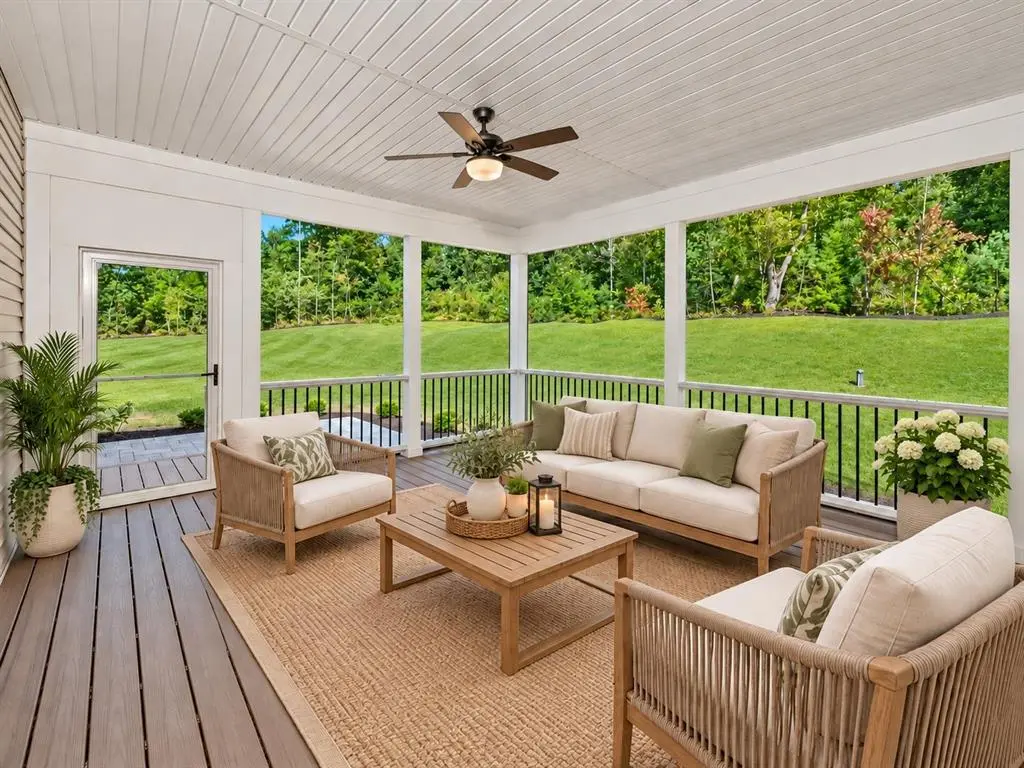
Pictured above:
28 Saybrook DR, Rindge, NH 03461
Listed by Jim Weidner, eXp Realty
$1,200,000
Brokered by eXp Realty
When you walk through a house, it is easy to focus on granite counters and fresh paint. Those matter but the home that fits your life is the one that supports how you actually spend your days. Layout, light, noise, outdoor space, storage, and how the property runs all shape whether you feel energized at home or quietly worn down.
If you are looking around the Monadnock region and nearby southern NH towns such as New Ipswich, Jaffrey, Rindge, Peterborough, Dublin, Hancock, Fitzwilliam, Troy, Greenville, or Wilton or just over the border in northern Massachusetts places like Lunenburg, Townsend, or Pepperell the right checklist isn't about a perfect Pinterest house. It's about matching the property to your real routine.
Commute and daily rhythm
Time on the road is time you are not with the people you care about, hobbies, or rest. Map a typical weekday: work, school drop-off, groceries, gym, or appointments. A shorter or more predictable drive can free up evenings. A longer one might be fine if you are trading for quiet, acreage, or a layout you love just go in with eyes open about snow days, traffic, and how often you'll make that trip.
Ask yourself: Does this location make weekday mornings easier or harder?
Layout that matches how you live
Open concepts are great for gathering. Separate rooms help when someone needs quiet for calls, homework, or sleep. Think about where you cook, work, unwind, and host. A flexible spare room can become an office, guest space, or hobby room without a remodel.
If more than one generation shares a home, look for a main-level bedroom, a private suite feel, or a floor plan that gives everyone a little breathing room when schedules overlap.
Light, noise, and how the house feels
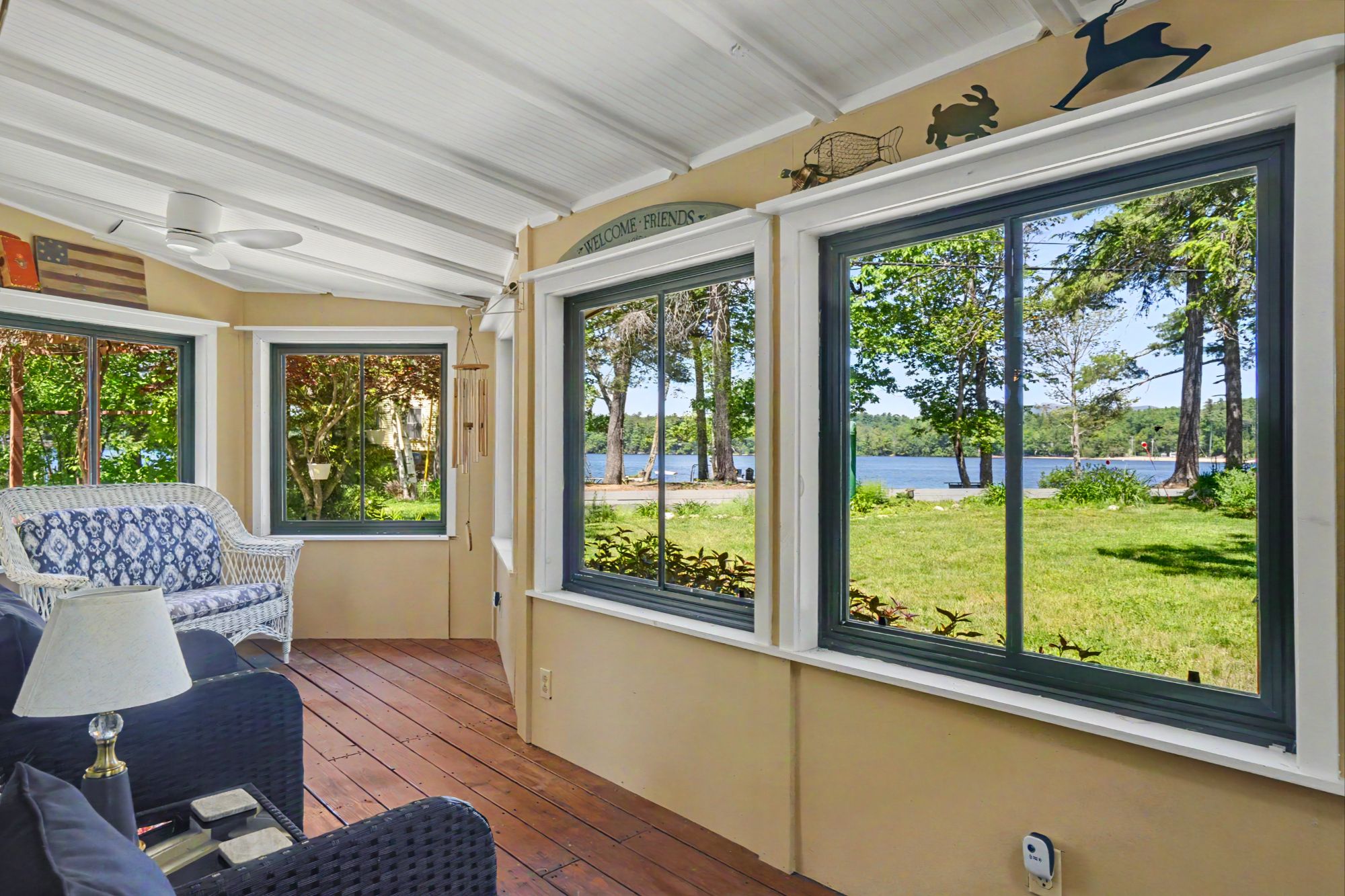
Natural light changes how a home feels day to day and thoughtful day lighting can also reduce the need for electric lighting. Notice which rooms get morning sun, which feel dark in the afternoon, and whether trees or neighboring buildings block windows year-round. We spend most of our time indoors, so the indoor environment of a house matters for comfort as much as the curb appeal. Noise matters, busy roads, nearby commercial activity, or a quiet cul-de-sac each create a different soundtrack for your evenings.
Spend a few minutes in the rooms you'll use most. If a space already feels calm (or tense), that's useful information.
Outdoor space you'll actually use
A big yard is a gift if you want gardens, play space, or privacy. It's also mowing, snow, and upkeep. A smaller lot or low-maintenance landscaping can mean more weekends free. Porches, patios, and usable yards often matter more than sheer acreage.
In our Monadnock and northern MA area, think seasonally: winter access, mud season, and how much outdoor time you'll really get.
Storage, work-from-home, and mental load
Closets, garage space, a mudroom, and a place for sports gear or work tools reduce daily friction. Homes that look fine in photos can feel stressful once coats, bins, and holiday decorations need a home.
If anyone works or studies from home, look for a quiet corner with a door, decent lighting, and room for a desk. Thin walls or an office next to the noisiest part of the house can make long days harder than they need to be.
Maintenance burden vs. lifestyle gain
Older homes and larger properties can be wonderful character, land, privacy but they often ask for more time and budget. Regular upkeep helps prevent costly repairs and protects comfort and durability; putting maintenance off usually costs more later. As a general industry rule of thumb, many homeowners budget about 1–3% of a home's value each year for maintenance and repairs, with older or larger homes often toward the higher end. Newer systems and simpler exteriors can buy back weekends. Neither is better. The question is whether the upkeep fits your energy and calendar.
Walk the property with that lens: roof age, driveway length, steep grades, basement moisture, and outdoor structures all translate into future Saturdays.
Positive vs. negative lifestyle impact
A home tends to support your lifestyle when:
- Your weekday routine feels workable from that address
- Rooms match how you gather and how you need quiet
- Light and noise feel comfortable in the spaces you'll live in
- Outdoor space matches what you'll use not just what looks impressive
- Storage and a work/study spot keep daily life from feeling cramped
- Maintenance feels manageable for your household
It can drain your lifestyle when:
- The commute or errands eat your evenings
- Layout forces constant conflict over space or noise
- You're always fighting dark rooms or street noise
- The yard or systems demand more care than you can give
- There's nowhere for work, guests, or the stuff of real life
There's no universal right house only a better fit for how you live now and how you hope to live in a few years.
A simple way to tour with lifestyle in mind
On your next showing, try a three-part pass:
- Morning you : Would getting out the door feel smoother or harder?
- Afternoon you : Where would you work, rest, or take a call?
- Weekend you : Would you use the yard, porch, and rooms or would they become chores?
If a house scores well on all three, you're looking at more than square footage. You're looking at a lifestyle.
Ready to talk it through?
If you'd like a second set of eyes on how a property fits your day-to-day not just the listing sheet I'm happy to help. Browse homes at kendrabrookne.com, or reach out at 978-747-5698 or kendra@kendrabrookne.com. We can walk through commute, layout, outdoor space, and upkeep in plain language so you can decide with confidence.
Kendra Brook, REALTOR ® | eXp Realty | Serving southern NH & northern MA
Equal Housing Opportunity.
Sources / Further reading
- Chatterjee, K., et al. (2019). Commuting and wellbeing: a critical overview of the literature with implications for policy and future research. Transport Reviews. Open-access PDF via UCL Discovery: https://discovery.ucl.ac.uk/id/eprint/10083200/1/TransportReviews2019.pdf Longer commute duration is linked to lower satisfaction with leisure time and other wellbeing domains; people often trade commute costs against job/housing benefits.
- U.S. Department of Energy. Energy 101: Daylighting. https://www.energy.gov/articles/energy-101-daylighting Daylighting (windows/skylights for natural light) can improve comfort and reduce lighting, heating, and cooling costs when designed well.
- U.S. Environmental Protection Agency. Healthy Buildings, Healthy People: A Vision for the 21st Century. https://www.epa.gov/indoor-air-quality-iaq/healthy-buildings-healthy-people-vision-21st-century Americans spend on average about 90% of time indoors; indoor environmental quality affects health and comfort.
- Kirby, S., Zaslow, S., & Herman, G. (NC State Extension). Preventative Home Maintenance. https://content.ces.ncsu.edu/preventative-home-maintenance Regular maintenance prevents costly repairs; experts often recommend setting aside about 1–3% of home market value annually for maintenance and repair.
- U.S. Department of Housing and Urban Development (HUD), Office of Fair Housing and Equal Opportunity. Fair housing advertising guidance and Equal Housing Opportunity materials e.g. Guidance on Application of the Fair Housing Act to the Advertising of Housing through Digital Platforms (2024): https://archives.hud.gov/news/2024/FHEO_Guidance_on_Advertising_through_Digital_Platforms.pdf and Fair Housing: Equal Opportunity for All: https://www.hud.gov/sites/documents/1686.pdf Housing ads must not indicate preference or limitation based on protected characteristics; use of the Equal Housing Opportunity slogan/logo is standard good practice.
Categories
Recent Posts

GET MORE INFORMATION